
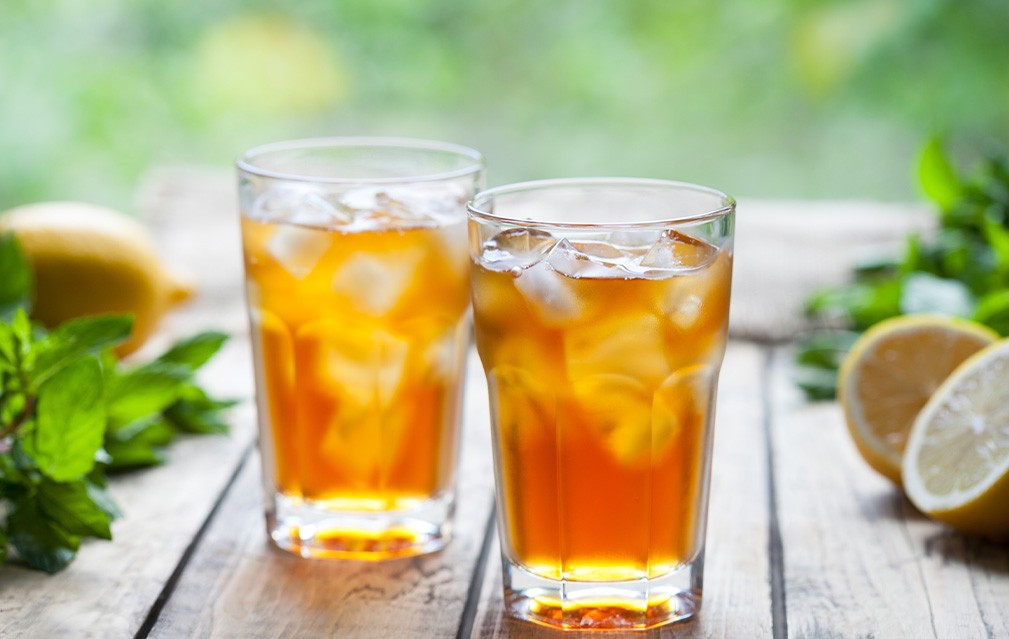

A newly mixed drink can be deceptive. Under development-room lighting, poured into a small clear cup, the color may look exactly as planned. A few weeks later, the same formulation is sitting in a bottle under retail lighting, and somehow the impression is different.
Nothing mysterious has happened. The drink has simply moved into the conditions that matter commercially. Processing, packaging, liquid depth and storage all influence how customers eventually see a beverage. Color development needs to follow that journey.
Make the Uncolored Drink First
Before testing shades, prepare the complete beverage without added color.
Fruit components, flavors and other ingredients may already give the liquid a slight tint. Some drinks are almost transparent; others begin with cloudiness or a noticeable yellow-brown background.
Keep this uncolored version beside the trials. It provides a much better reference than plain water because it shows what the coloring ingredient is actually being asked to change.
Match the Shade to the Flavor Story
People make surprisingly quick assumptions from color. A warm orange drink may suggest citrus or tropical fruit before the label is read.
When developers consider beta carotene food coloring, the first task is therefore not simply making the beverage orange or yellow. The shade should make sense for the flavor, product positioning and existing color of the formulation.
Put an agreed reference in front of everyone involved. “A brighter orange” is too subjective when several people are approving the same product.
Stop Judging Everything in a Small Cup
Liquid depth changes visual intensity.
A coloured beverage in a shallow laboratory cup may appear lighter than the same liquid inside a larger bottle. Bottle shape and transparency add another layer to the effect.
Once a promising formulation has been identified, fill the intended package—or something reasonably close to it. Put it beside the development sample and compare them.
This simple step can prevent unnecessary formulation changes made only because the test container created the wrong visual impression.
Use the Actual Beverage Conditions
Selecting food coloring for drinks from a simple water trial gives only part of the information needed for commercial development.
The real beverage may contain acids, sweeteners, flavors and other ingredients. Its pH and processing conditions can influence how a naturally derived coloring system performs.
If the recipe changes, repeat the color check. A shade approved before the flavor or acidity was finalized should not automatically remain approved afterward.
Color development and beverage development need to move together.
Take the Color Through Processing
Do not give final approval immediately after mixing if the commercial drink still has processing steps ahead.
Heating or other production conditions should be represented during trials where relevant. Observe the shade after the beverage has completed its normal process and reached the state in which it will be filled.
Record the ingredient sequence and color addition point too. Those details become valuable if a larger production batch later looks slightly different.
Put a Few Bottles Aside
Not every development bottle should be opened the same day it is produced.
Keep samples for appropriate stability observations. Look at color alongside the other product characteristics being monitored during shelf life.
Packaging deserves attention here. A transparent container exposes the beverage differently from an opaque package. Storage and light conditions may also differ between distribution and retail environments.
The customer sees the older bottle, not the freshly mixed laboratory sample.
Let Production Confirm the Decision
Scale-up changes the environment again.
A commercial tank has different mixing behavior from a small development vessel. As volumes increase, ingredient additions may take a bit longer and processing conditions may alter a little.
During the first production run, compare the finished beverage with the approved reference before making corrections. If there is a difference, investigate what changed.
Adding more color immediately may solve the appearance while hiding the actual production issue.
Conclusion
The most useful beverage color test happens after the drink has stopped behaving like a laboratory sample. Put it through the real process, fill it into the intended package and give it enough time to show how the shade holds up.
Only then does the development team see something close to what the shopper will see. Manufacturers working on naturally coloured beverages can use the formulation information available at foodrgb.com as a starting point, while letting the finished bottled drink provide the final answer.